In Brown Alumni Magazine, President Christina Paxson traces the Annenberg Institute's history from Walter Annenberg's $500 million challenge to its new focus.
Harvard's Usable Knowledge highlights research on professional learning strategies that help keep teachers in the profession as job satisfaction nears 50-year lows.
CommonWealth Magazine covers an Annenberg report finding that race and class gaps in college graduation have widened in Massachusetts even as K-12 achievement improved.
Education Week explores why high-dosage tutoring is probably the most powerful response to learning loss, and ideas for making the expensive model work.
The Brown Daily Herald reports on the Department of Education's plans for widespread curricular changes across its undergraduate and graduate programs.
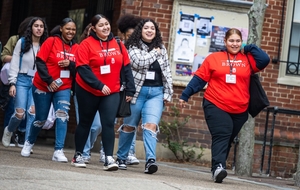
Brown News covers College Day, an Annenberg-organized event bringing nearly 350 high schoolers from Providence, Central Falls, and Pawtucket to campus to explore their post-secondary options.
In the Brookings Brown Center Chalkboard, Katharine Meyer and Ben Castleman make the case for stackable credentials as a path to new careers after pandemic job losses.
Results for America and the Annenberg Institute release four EdResearch for Recovery briefs on budget cuts, homeless students, academic supports, and more.
The Seattle Times reports on a study led by Min Sun finding that Obama-era School Improvement Grants paid off for Washington's lowest-performing schools.
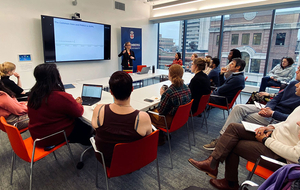
This talk will examine how college admissions policies affect Asian American applicants, exploring questions of equity, access, and the ways admissions practices shape opportunities in higher education.
In the Brookings Brown Center Chalkboard, Matthew Kraft and Michael Goldstein offer guidance on getting tutoring right, prompted by Tennessee's new tutoring corps.
In The Atlantic, Sarah Cohodes argues that states with low virus rates can reopen schools in September if they do so carefully and prioritize younger children.